Bows & Parts
Recurve, compound and reverse-draw crossbows, the parts on them and the bolts they need, from maker specs and owner reports.
// Overview
Know the crossbow before you buy one
Most first-crossbow regrets come down to two things: a bow that’s too hard to cock, and bolts that don’t match the manual. This page puts both up front.
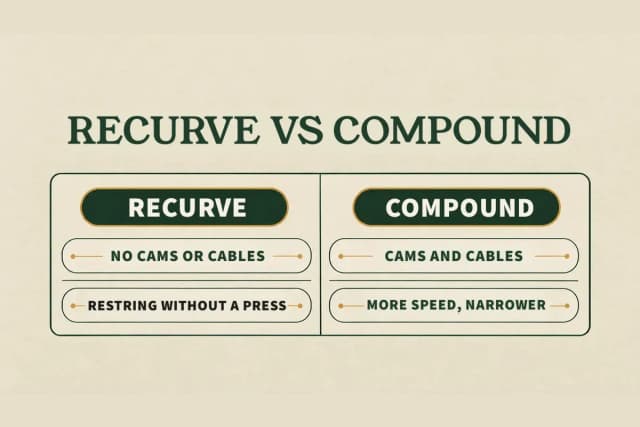
Start with the types of crossbows and the 12 parts on one. A compound is narrower and quieter. A recurve has fewer parts, and you can restring it without a bow press.
Then sort out bolts. Length, weight and nock all come from your manual, and TenPoint wants at least 370 grains with the point on its newer bows. How to choose your first crossbow walks through the rest, cocking included.
Free printable
A free range log for your crossbow
One page to log distance, groups and scope settings each session, so you can see what changed when a group opens up. It’s a page of the free range log.
// All posts
Everything in Bows & Parts
Showing all 20 posts, newest firstShowing 20 posts for crossbow shooters, newest first
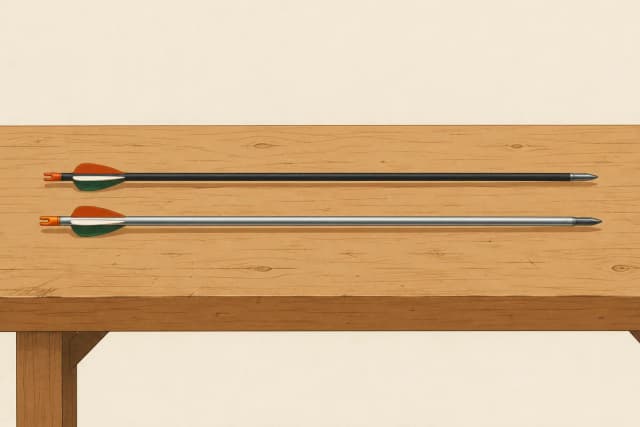
- Carbon or Aluminum Crossbow Bolts? 5 Differences and the Better PickAn aluminum bolt that bends once is usually done for good. Here are the 5 differences between carbon and aluminum crossbow bolts, from .001″ straightness and weight to what a bad hit does to each, and which one to buy for practice and hunting.
- How Heavy Is a Crossbow? 10 Real Models, From 2.5 to 9.7 PoundsMost crossbow weights leave out the scope, and that can add over 2 lb. Here are real weights for 10 crossbows by type, from a 2.5 lb pistol to a 9.7 lb scoped flagship, plus how heavy is too heavy for a treestand, a blind or a long walk in.
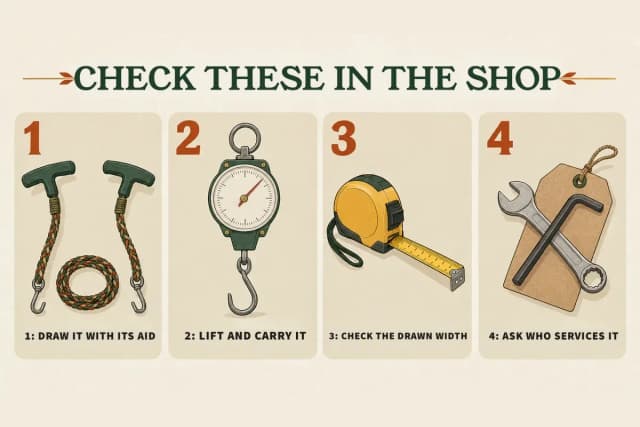
- How to Choose Your First Crossbow: 7 Checks Before You BuyMost first crossbows are bought on speed, and that’s the spec that matters least inside 35 yards. Run these 7 checks instead, from your state’s rules and how you’ll cock it to the width and weight, and see which crossbow type fits your hunt.
- The 3 Best Compound Crossbows for Beginners, by Cocking EffortA 435 fps crossbow won’t help you if you can’t cock it at the end of a cold sit. Here are 3 compound crossbows a beginner can live with, from a 6 lb Barnett to a TenPoint with a built-in crank, plus the 5 checks to make before you buy.
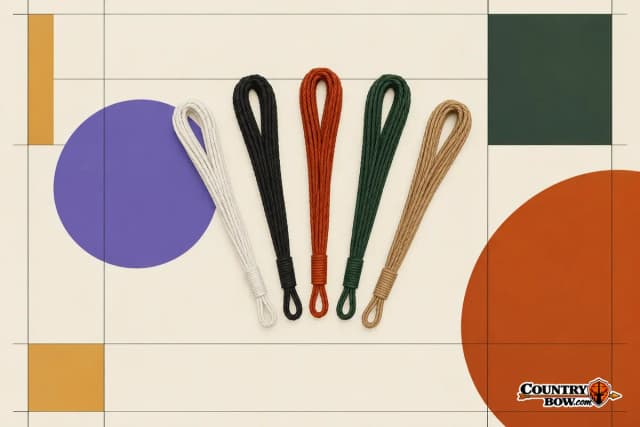
- Crossbow Strings: 5 Materials Compared and When to Replace YoursA worn crossbow string can snap at full draw, and the fix starts with the right material. Compare 5 string materials, from Mercury 2 to polyester B55, and learn the 2-year replacement rule and how to wax without gumming the trigger.
- Crossbow Ballistics: The 5 Parts Behind Speed, Energy and AccuracyA 400-grain bolt at 400 fps carries about 142 ft-lb, several times what a deer needs. Learn the 5 crossbow parts that turn draw weight into speed and energy, with a kinetic energy chart and the scope setup that makes it land.
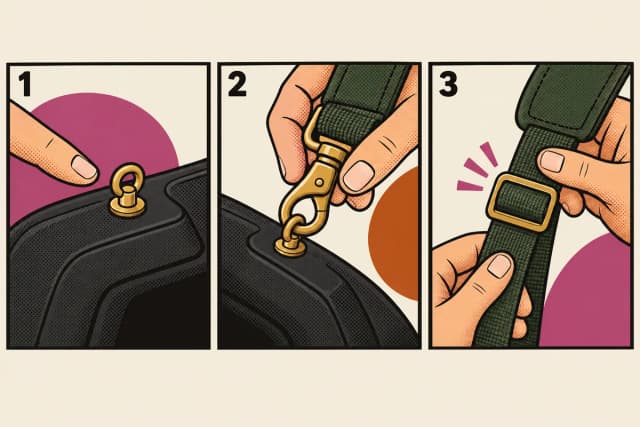
- How to Fit a Sling to Your Crossbow in 5 Steps for a Quiet CarryHalf a mile into the woods, a crossbow in your hands feels twice as heavy. Fit a two-point sling in 5 steps, from finding the mounts to taping loose ends, and walk in quiet with both hands free and a faster shot ready.
- The 12 Parts of a Crossbow, Explained for First-Time OwnersRail, latch, retainer, prod: crossbow manuals assume you know 12 parts by name. Learn what each one does, the old names you’ll still see, and the 6-step maintenance check that keeps your first crossbow safe and accurate all season.
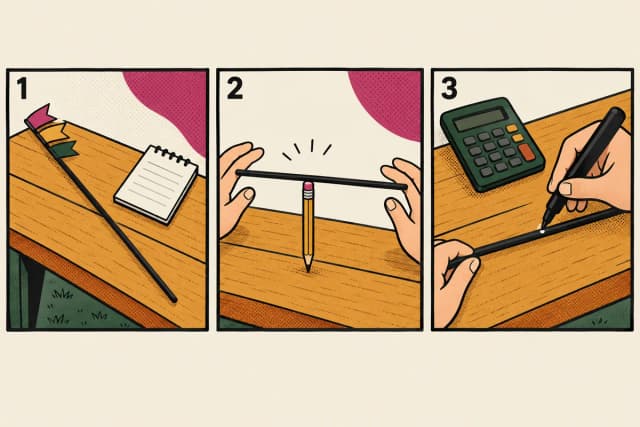
- How to Find the FOC of Your Crossbow Bolts in 5 StepsFive minutes and a tape measure will tell you if your crossbow bolts are balanced for hunting. Follow 5 simple steps, use the FOC formula with a worked 20-inch example and see why Easton recommends 10–15% for hunting arrows.
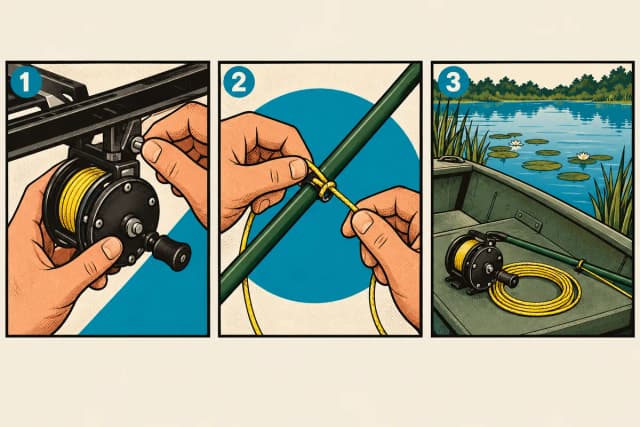
- Can You Turn a Crossbow Into a Fishing Crossbow? Yes, With 3 PartsThat deer crossbow can shoot carp all summer with just 3 add-ons: fish bolts, a reel and braided line. See how to set it up safely, how to aim low with the 10–4 refraction rule, and which states allow crossbows for bowfishing.
- How Long Does a Crossbow Last? What Wears Out First, Part by PartA crossbow has no expiry date, but its string and cables do: about every 2 years. Find out what wears out first, the maintenance schedule that keeps a crossbow shooting for many seasons, and the 3 mistakes that kill one early.
- The Best Crossbow Bolt Weight for Deer: Why 400–459 Grains Suits MostToo light a bolt can damage your crossbow, and too heavy costs you range. Here’s why a 400–459 grain bolt suits most deer hunters, the minimum weights makers set, and a 5-step method to pick the right bolt weight for your crossbow.
- Crossbow or Bow for Survival? 5 Factors That Decide Which Feeds YouA crossbow makes a beginner accurate fast, but a simple bow is easier to fix and feed with arrows. Compare 5 survival factors, from learning curve to follow-up shots, and see which tool fits the practice time you really have.
- The 5 Best Crossbow Brands for New Hunters and Who Each One Suits5 big names fill much of the crossbow wall at any shop, and each one suits a different hunter. See what Ravin, TenPoint, Barnett, Wicked Ridge and Excalibur are known for, who owns whom, and the 5 checks that matter more than the logo.
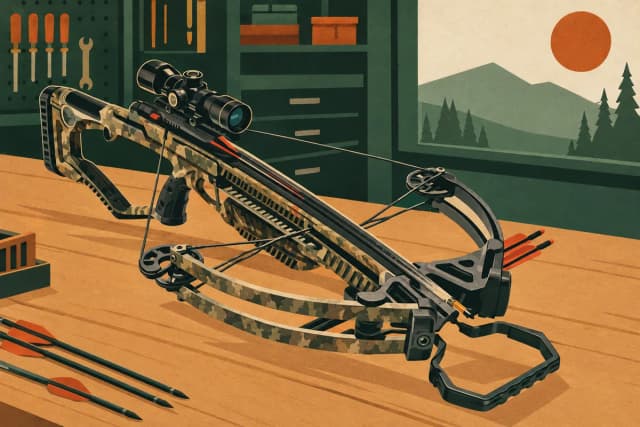
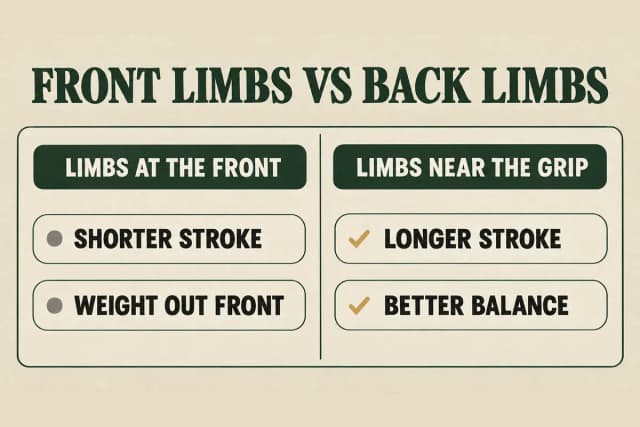
- The 3 Best Reverse-Draw Crossbows for Blinds and TreestandsA reverse-draw crossbow packs a longer power stroke into a shorter, better-balanced bow. Compare 3 reverse-draw picks, from a 410 fps TenPoint to a pistol-size Ballista, plus the 5 checks to make before you spend the money on one.
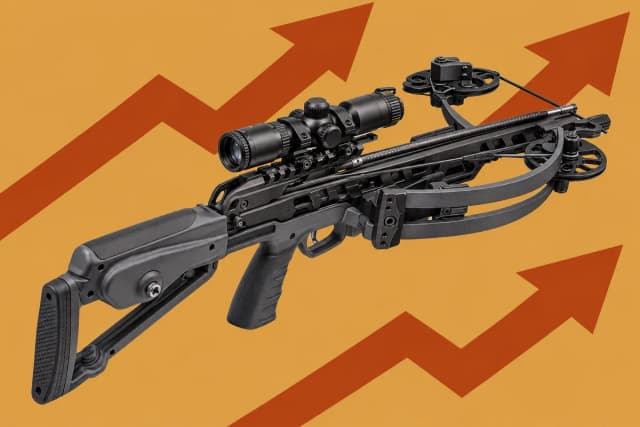
- The 3 Best Crossbows for Beginners, Plus the Specs That MatterToo heavy to carry, too hard to cock or too wide for the blind: the wrong crossbow ruins a season. Compare 3 beginner picks by draw style, rated speed and weight, plus the 8 specs that matter before you buy.
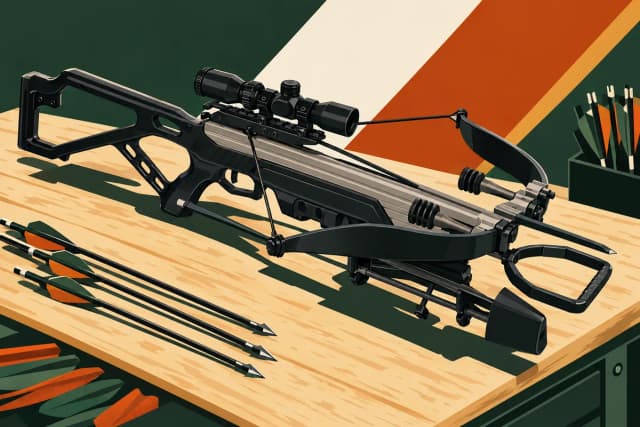
- The 3 Best Crossbow Broadheads: Fixed-Blade and Mechanical PicksA dull or mismatched broadhead turns a good shot into a lost deer. Compare 3 crossbow broadheads (G5 Montec, G5 Megameat, Grim Reaper Carni-FOUR) and the 5 checks to make before buying your first pack for the season.
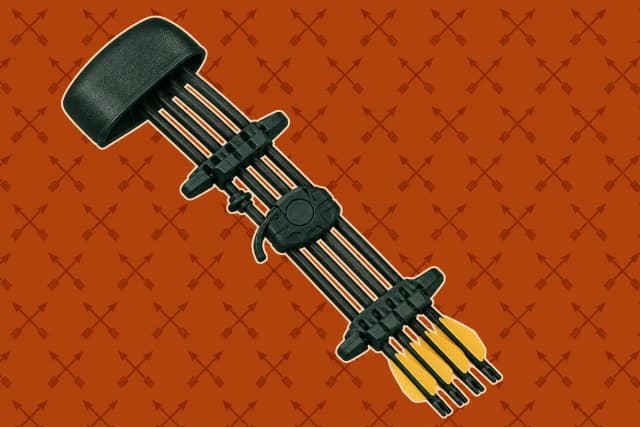
- The 3 Best Crossbow Bolts for Practice and Deer HuntingA bolt that’s too light can stress your crossbow like a dry fire. Here are 3 crossbow bolts worth a look, from a 445-grain TenPoint to a budget 12-pack, plus the length, weight and nock checks to do before you buy.
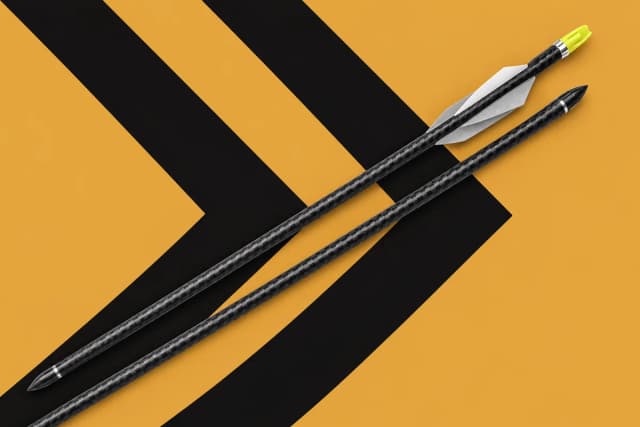
- The 3 Best Recurve Crossbows and When a Recurve Beats a CompoundA recurve crossbow has no cams or cables, so there’s less to break and you can restring it without a press. Compare 3 picks from Excalibur and Barnett by speed, draw weight and weight, plus the 6 checks to make before you buy one.
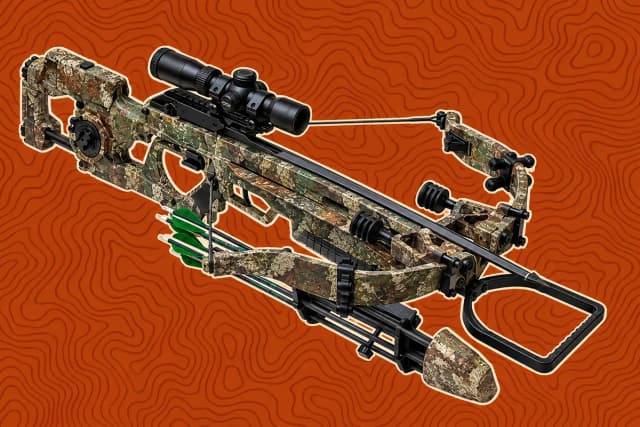
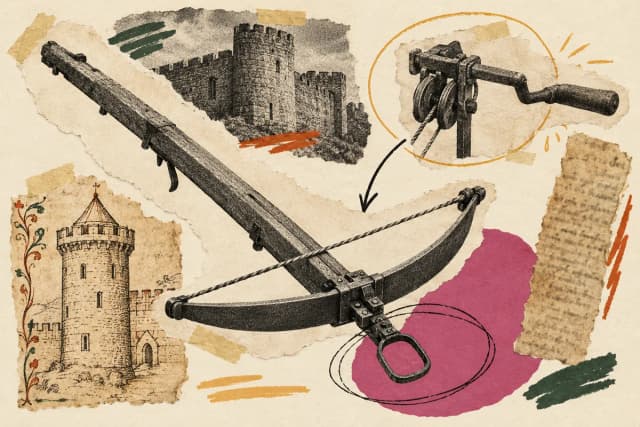
- What Is an Arbalest? The Medieval Steel Crossbow and Its 5 Key PartsAn arbalest was so strong it took a crank to draw. Learn what made this steel-prod medieval crossbow different, the 4 ways crossbowmen spanned it, why Genoese crossbowmen lost at Crécy, and how it led to the crossbow you shoot today.
// FAQ
Questions I get a lot
Short answers to what beginners ask me about bows & parts.
What type of crossbow should a beginner buy?
A forward-draw compound from a known brand suits most beginners. It’s narrower and quieter than a recurve. Pick a recurve if there’s no shop near you, since you can restring it at home. Compare the types.
How fast does a hunting crossbow need to be?
350 to 400 fps is plenty for deer. Past about 400 fps you mostly pay for more noise, weight and string wear, and where the bolt lands matters far more than how fast it got there.
Can I use any bolts in my crossbow?
No. Use the length, weight and nock your manual names. A bolt that’s too light can act like a partial dry fire and crack the limbs, and the wrong one can void the warranty. Bolts for practice and hunting.
How heavy is a typical crossbow?
Most hunting crossbows weigh 6 to 9 pounds before the scope, quiver and bolts, and those add a few pounds more. Weights of 10 real models.
How long does a crossbow last?
The bow lasts many seasons. Strings and cables wear out first: TenPoint says to replace them at least every two years, sooner if you shoot a lot. What wears out first.

// Follow
Follow the ride on Instagram.







// Free printable
Get the range log I actually use.
Seventeen printable pages: session log, score tracker, a 30-day drill challenge, a bow maintenance card, a first-season checklist and more. Join the monthly email and it lands right away.