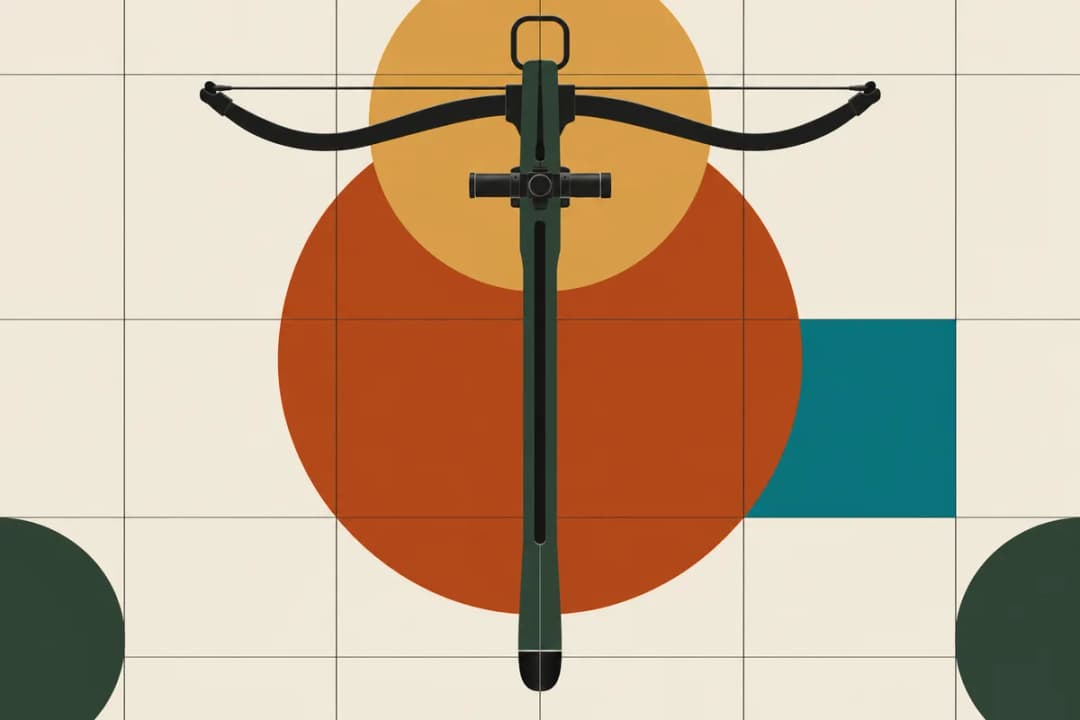


- A modern crossbow has 12 main parts, from the stock and riser to the stirrup and scope rail.
- The old names still show up in manuals: the prod is the limbs, the tiller is the stock and the nut is the latch.
- The trigger, safety and anti-dry-fire parts are the ones that keep you safe, so learn them first.
- Knowing each part makes maintenance and troubleshooting much easier.
Rail, retainer, latch: your manual uses these words like you already know them, and guessing can mean lubing the wrong spot or missing a worn string. 😅
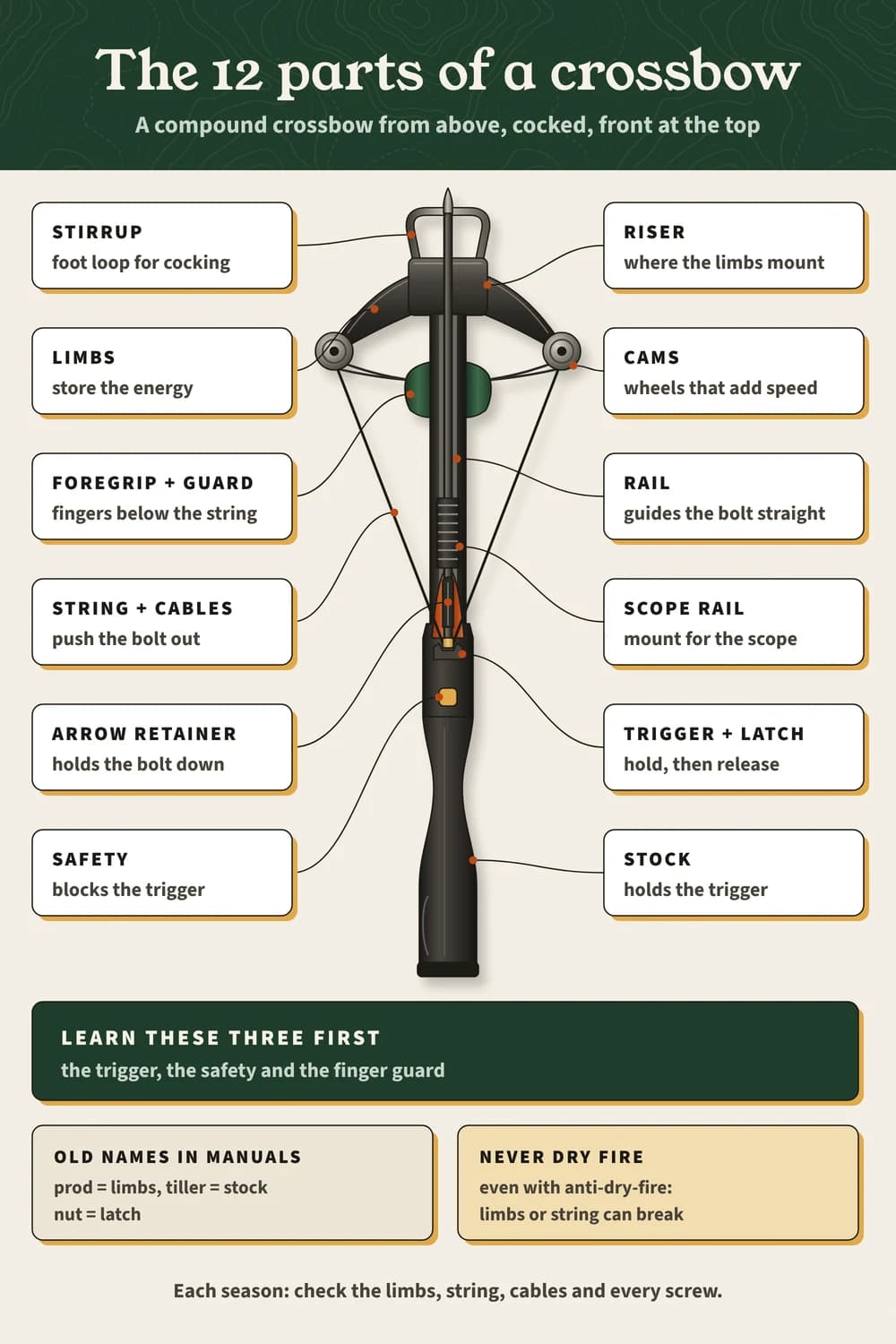
The good news is that a modern crossbow comes down to 12 parts: stock, riser, limbs, string and cables, cams, rail, arrow retainer, trigger and latch, safety, stirrup, foregrip and scope rail. Learn them here, then load your first bolt safely.
Parts of a crossbow at a glance: names and jobs
Here’s every part on one page. The old name column helps with older books and medieval-style crossbows.
| Part | Old name | What it does |
|---|---|---|
| Stock | Tiller | The main body you shoulder; holds the trigger |
| Riser | – | The block at the front where the limbs mount |
| Limbs | Prod or lath | Store the energy when you cock the crossbow |
| String and cables | – | Transfer that energy to the bolt |
| Cams | – | Wheels on compound crossbows that add speed |
| Rail (flight track) | Groove | Guides the bolt straight on release |
| Arrow retainer | – | Holds the bolt down on the rail |
| Trigger and latch | Nut | Hold the string and release it |
| Safety and anti-dry-fire | – | Block an accidental or empty shot |
| Stirrup | – | The foot loop you use to cock it |
| Foregrip and finger guard | – | Keep your support hand below the string |
| Scope rail | – | Mount for the scope or sight |

// Free printable
Get the range log I actually use.
Seventeen printable pages: session log, score tracker, a 30-day drill challenge, a bow maintenance card, a first-season checklist and more. Join the monthly email and it lands right away.
Crossbow stock, riser and limbs: the frame that stores the power
These three parts are the skeleton of the crossbow. Every other part bolts onto them.
1. Stock (tiller)
The stock is the main body you press into your shoulder, and it houses the trigger assembly. On medieval crossbows it was called the tiller (“stock” came later, from firearms). Many stocks also have a cheek rest so your eye lines up with the scope the same way every shot.
Firearms words turn up all over a crossbow manual. The hunter behind the Death by Bunjie channel, whose parts walkthrough is near the end of this post, points it out on the front half of the bow:
This entire unit up here is considered the barrel of the crossbow. A lot of the language you’ll see does come from rifles, and it does carry over.
That’s good news if you’ve shot a rifle: stock, barrel, trigger, safety and butt plate mean what you’d expect. The crossbow-only words are the ones to learn: rail, flight groove, retainer, latch and stirrup.
A solid stock helps the whole crossbow last. For what wears out and when, see my post on the average lifespan of a crossbow.
2. Riser
The riser is the block at the front of the stock where the limbs attach. On reverse-draw crossbows it sits closer to the middle, which moves the balance back toward you; you’ll spot both layouts among the latest crossbow models.
3. Limbs (prod)
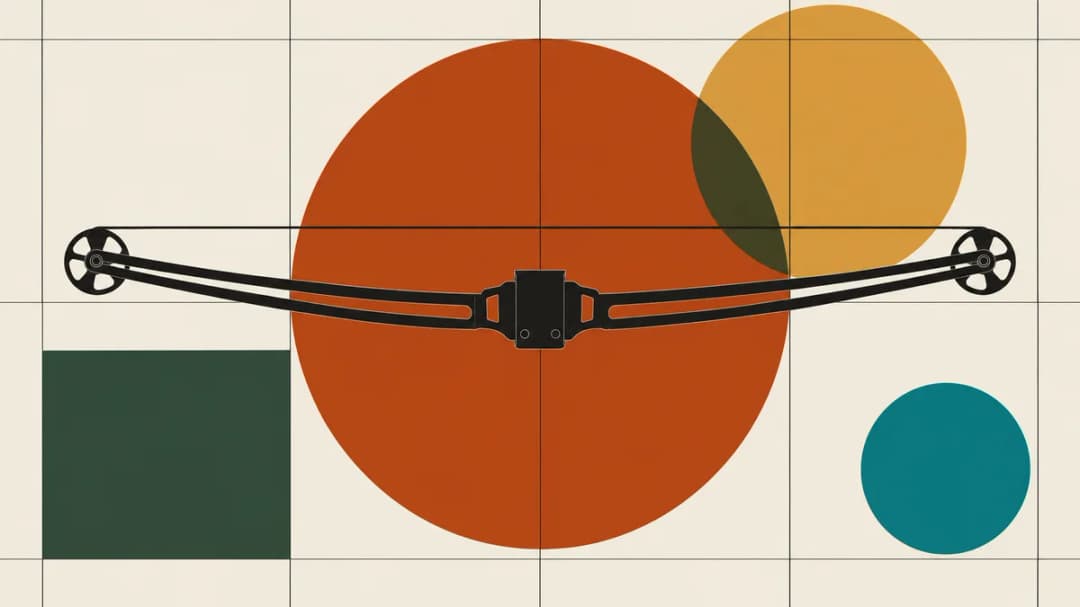
The limbs are the bow part of the crossbow, called the prod or lath on older designs. When you cock the crossbow they bend and store the energy that launches the bolt.
Recurve crossbows have one limb per side; compound crossbows usually have split limbs with cams. Check them for cracks or splinters before every session. Dampeners on the limbs are also the first step toward a quieter crossbow.
String, cables and cams: how a crossbow launches a bolt
This is where the stored energy becomes speed. Worn strings and cables are the most common failure point, so inspect them often.
4. String and cables
The string pushes the bolt down the rail when you fire. On a compound crossbow, the cables connect the cams so both sides turn together.
Wax the string and cables as often as your manual says. And string setup and bolt weight both affect flight; if you want to go deeper, learn how to find the FOC of your crossbow bolts.
5. Cams
Cams are the wheels at the limb tips of a compound crossbow. They let a narrower bow store more energy, which is why compound crossbows are usually faster than recurves.
Rail and arrow retainer: what keeps your bolt on track
The bolt sits on the rail and is held there by the retainer. A bolt that isn’t seated properly is a misfire waiting to happen.
6. Rail (flight track)
The rail, or flight track, runs along the top of the stock and guides the bolt straight on release. Most makers want it lubricated with rail lube. Ravin’s Frictionless Flight design floats the arrow and string just above the rail, so its different again; follow your manual for your exact bow.
7. Arrow retainer
The arrow retainer (some makers say retention spring or bolt clip) is a spring or brush that holds the back of the bolt down on the rail. It stops the bolt from sliding off when you move or point the crossbow downhill.
Use the bolts and nocks your manual lists so the retainer and latch can do their job. My guide to the best crossbow bolts explains what to look for.
Trigger, latch and safety: the parts that keep you safe
These parts decide when the crossbow fires. Learn them before your first shot, not after.
8. Trigger and latch (nut)
The latch catches and holds the string when you cock the crossbow, and the trigger releases it. On medieval crossbows the latch was a rotating piece called the nut, and you’ll still see the word in older books. The whole release, with its trigger lever and sears, was called the lock.
A clean, consistent trigger break helps accuracy, because a jerk at the shot moves the bolt off target. Keep the trigger housing clean and dry.
9. Safety and anti-dry-fire mechanism
The safety blocks the trigger and usually engages automatically when you cock the crossbow. Many modern crossbows also have an anti-dry-fire mechanism that won’t let the string release unless a bolt is seated.
I learned what a dry fire is the embarrassing way, with my recurve bow at the range: I released the string with no arrow, and the whole range went “whoa.”
I actually did a dry fire and the whole range was like whoa.
Stirrup, foregrip and scope rail: the parts you touch most
These are the parts your hands and feet use every time you shoot. Getting comfortable with them makes every shot smoother.
10. Stirrup
The stirrup is the loop at the front of the crossbow. You put your foot through it to hold the crossbow steady while you cock it by hand, with a rope cocker or with a crank.
You may also see cocking called something else in older books and forums. He explains the term:
Cocking the crossbow, some people refer to that as spanning the crossbow, and they would refer to their cocking device… as a spanner.
So if a guide tells you to “span” the crossbow, it just means cock it, and a spanner is your rope cocker or crank. Same job, older word.
11. Foregrip and finger guard
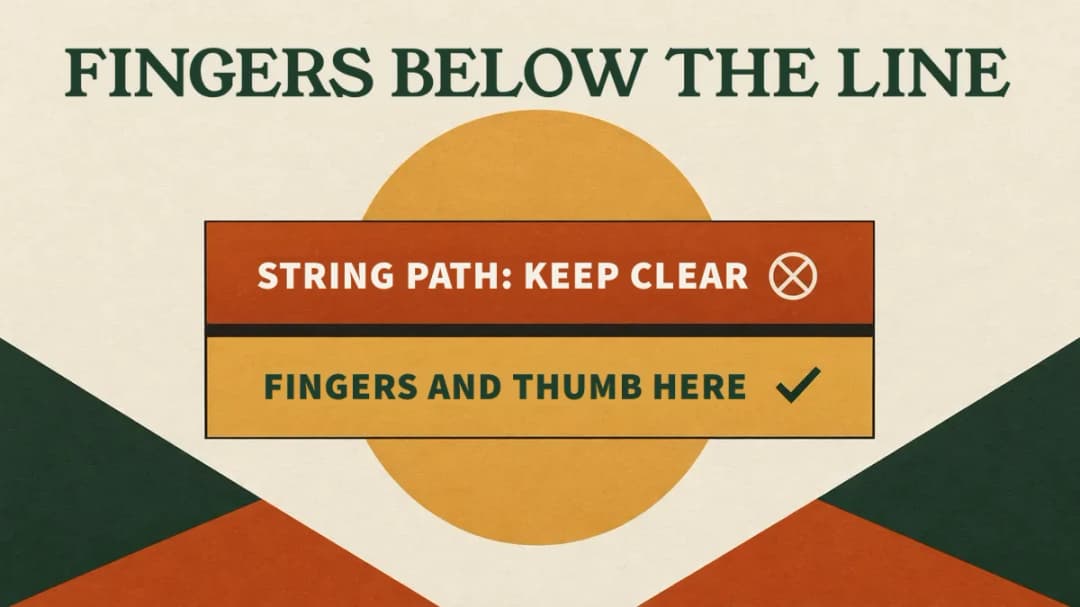
The foregrip is where your support hand goes, and the finger guard (often a pair of wings) keeps your fingers below the string’s path.
12. Scope rail and scope
Many crossbows have a Picatinny- or Weaver-style rail on top for a scope or red dot. Check the mount screws before every season, since a loose scope moves your point of impact.
He has a strong opinion about the scope that sits on that rail:
I recommend if you have a scope that doesn’t sight in to exactly ten, twenty and thirty yard increments, that you basically get a different scope.
I agree with the idea, if not the exact numbers. You want aiming points that match round distances, so you never have to work out which dot means 18 yards. Many crossbow scopes use 20, 30 and 40 yards instead, which works just as well.
Crossbow maintenance tips by part
Once you know the parts, maintenance is just a checklist. Run through it before every season:
- Inspect the limbs for cracks and the string and cables for fraying.
- Wax the string and cables, and lube the rail if your manual says to.
- Tighten every screw on the riser, stock and scope mount.
- Store it de-cocked, dry and in a case, away from extreme heat.
- Practice on a crossbow-rated target so you don’t damage bolts.
- Wipe off dirt and moisture after every hunt.
| Do | Don’t |
|---|---|
| Wax the string and cables on schedule | Dry fire the crossbow |
| Check the string for wear before shooting | Leave it cocked overnight (TenPoint says de-cock at the end of each day) |
| Use the bolts and nocks your manual lists | Ignore loose screws or a cracked limb |
| De-cock safely at the end of the day | Store it without a case |
Crossbow pros and cons: what the design means for you
The same parts that make a crossbow easy to aim also make it heavier and slower to reload. Here’s the trade-off.
Pros
- A stock and scope make aiming steady for new shooters
- It stays cocked, so you aren’t holding the string
- Very little movement to shoot from a blind or stand
- Works for target shooting and hunting
Cons
- Heavier and bulkier than vertical bows
- Slow to reload
- More mechanical parts to maintain
- Hunting rules for crossbows vary by state
Once you know the parts, you can also see how a crossbow adapts to other uses, like converting a crossbow into a fishing tool, and how broadheads mount on the bolt in my best broadheads guide.
If you learn by watching, this video walks through the parts of a crossbow and the terms you’ll hear.
Here are all 12 parts on one crossbow, so you can match each name in your manual to the piece in your hands.
// FAQ
Frequently asked questions
Quick answers to the questions readers ask most.
What is the prod on a crossbow?
The prod is the old name for the crossbow’s bow, the limbs that store energy when you cock it. Modern manuals usually just say limbs.
What is the tiller on a crossbow?
The tiller is the old name for the stock, the main body you shoulder. It holds the trigger mechanism.
Can I adjust the draw weight on my crossbow myself?
No, not on most hunting crossbows: they aren’t designed to be adjusted. Ask a pro shop, because changing tension without the right tools can damage the bow or injure you.
What is the best way to clean the rail and string?
Wipe the rail with a soft cloth and use only the lube your manual recommends. Wax the string with a crossbow string wax.
How often should I replace my crossbow bolts?
Check every bolt before and after shooting, and retire any with a cracked shaft, bent insert or damaged nock. A damaged bolt can break on release.

Final thoughts
Twelve parts, and you now know what each one does. Start with the trigger, safety and finger guard, then learn the maintenance points, and your crossbow will stay safe and accurate.
Keep your manual handy, and note every check you do in the free range log so nothing gets missed before the season.
