

- Cock first, then load: put the bolt on only after the string is latched and the safety is on.
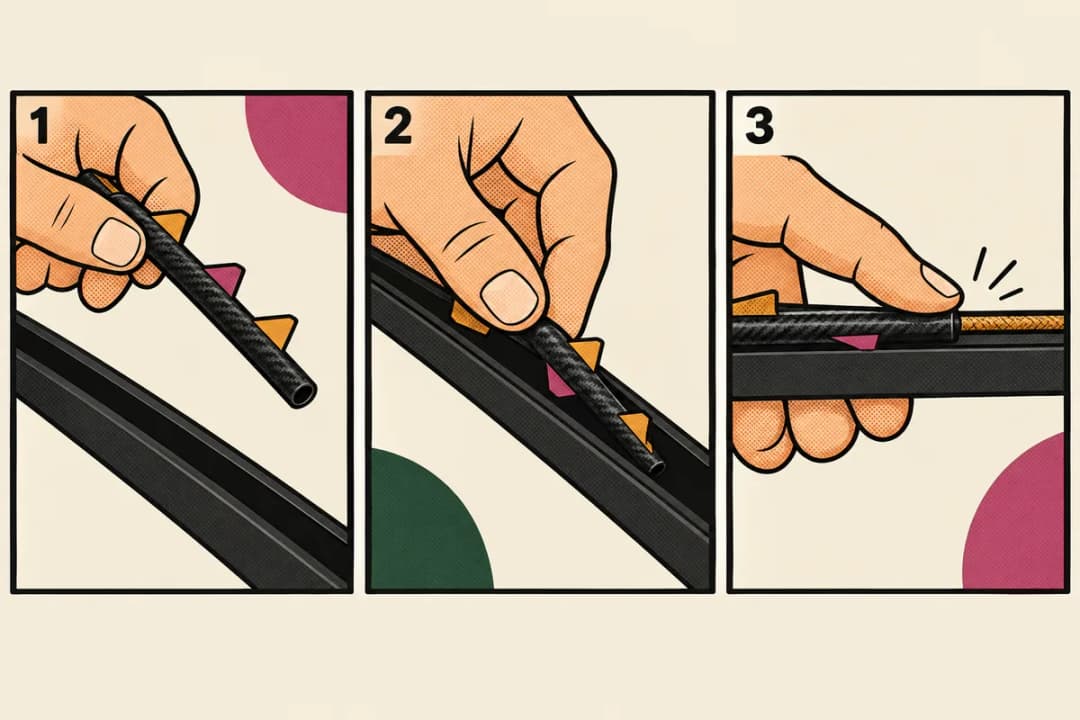
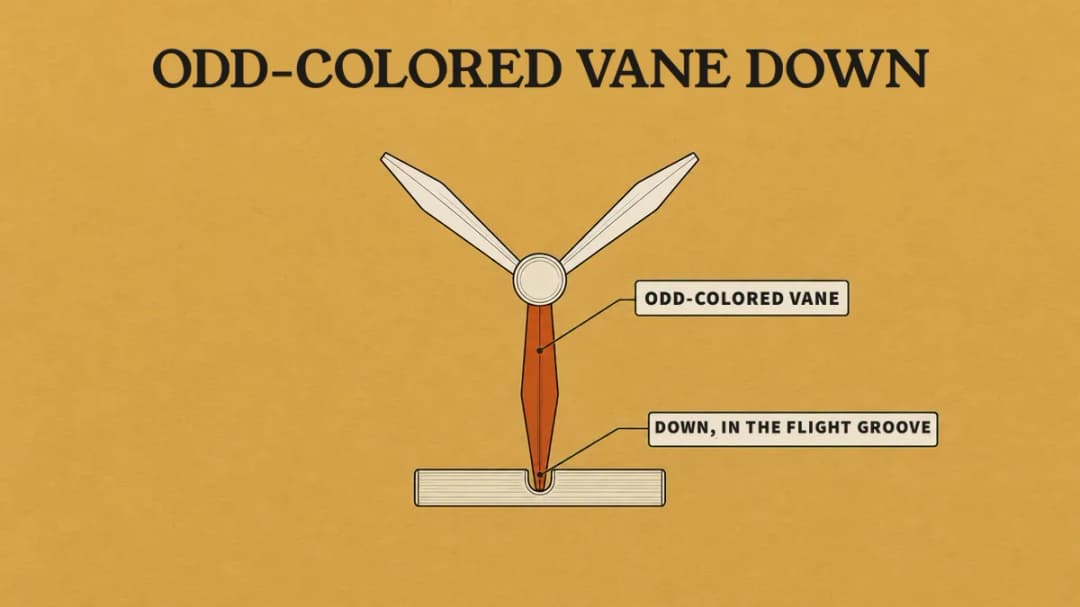
- Place the bolt with the odd-colored vane down in the flight groove and seat the nock firmly against the string.
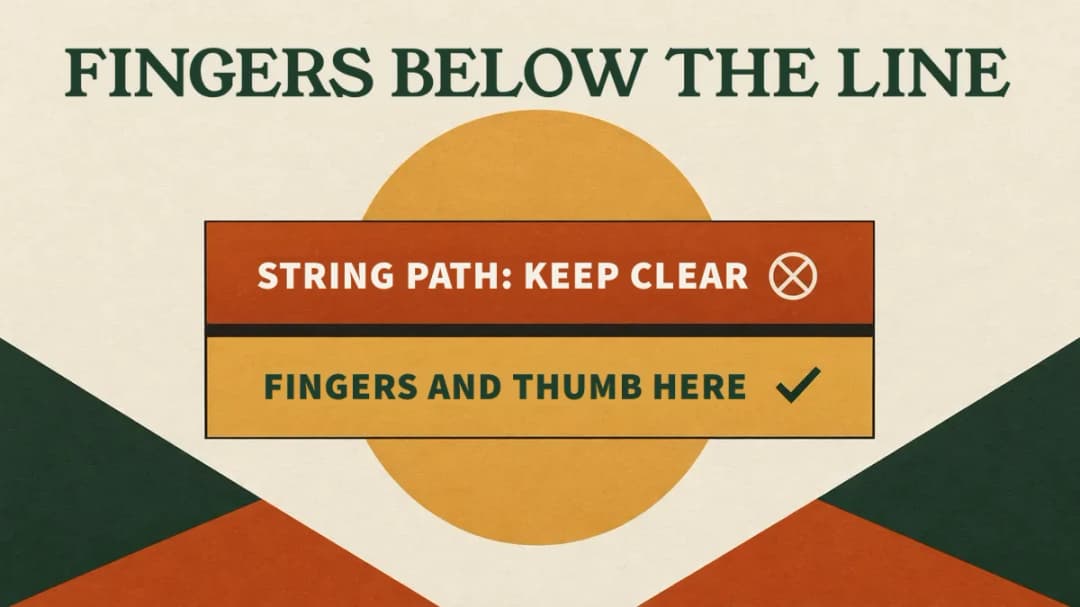
- Keep your fingers and thumb below the rail, out of the string’s path, every single time.
- Unload by shooting into a safe target or with a de-cocking device your maker approves, never by dry firing.
A crossbow can hurt you before you ever take a shot: one thumb above the rail when the string goes is enough. 😬
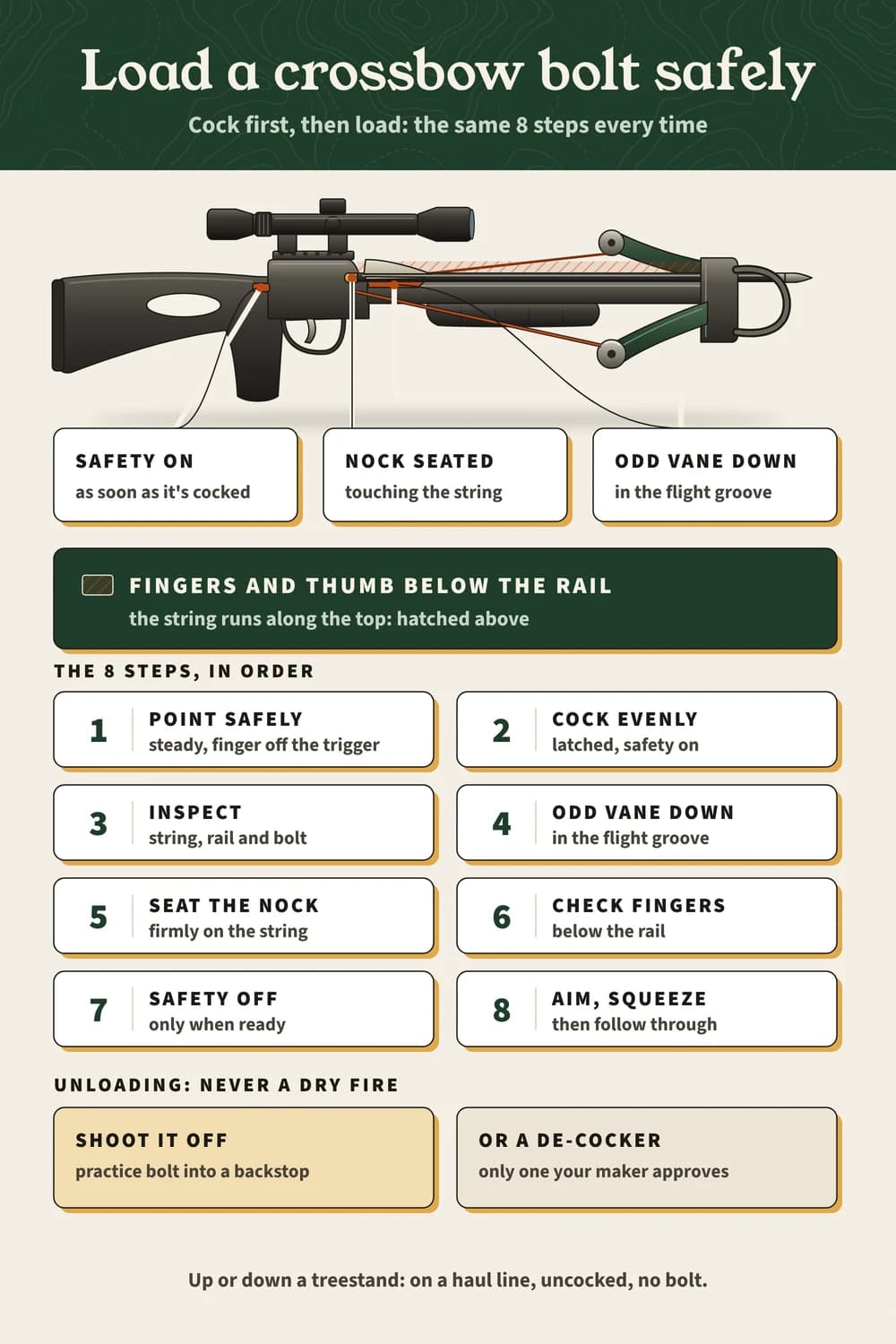
The safe order is: point it safely, cock it, safety on, lay the bolt in with the odd vane down, seat the nock and keep your fingers below the rail. Follow the 8 steps below with the right bolts and you’ll load safely every time. 👇
How to safely load a crossbow arrow: what makes it dangerous
A crossbow arrow is usually called a bolt. A cocked crossbow holds a lot of energy, and the string travels along the top of the rail when it fires.
That gives you two real dangers to manage. A hand in the string’s path can be badly hurt, and a bolt that isn’t seated can cause a dry fire that damages the bow.
Prefer to watch first? The video below shows a full load from start to finish.
The short version of every safe load:
- Keep your fingers and thumb below the rail, never above it.
- Handle the bolt just behind the tip, away from the string.
- Run the same safety checks every time you load.

// Free printable
Get the range log I actually use.
Seventeen printable pages: session log, score tracker, a 30-day drill challenge, a bow maintenance card, a first-season checklist and more. Join the monthly email and it lands right away.
Step-by-step: how to load a crossbow bolt in 8 steps
These steps match what crossbow manuals and hunter education courses teach. Your own manual wins if it says something different, because cocking systems vary.
Step 1: Point it in a safe direction and steady the crossbow
Step 2: Cock the crossbow evenly
Use your rope cocker, crank or built-in cocking system so the string is pulled back evenly and locks in the latch. Many crossbows set the safety automatically when they cock; check that yours is on.
Pull the string all the way until it latches. A short-stroked string can leave the bow partly cocked with the safety on, which isn’t safe to shoot or load.
Step 3: Check the string, rail and bolt
Look over the string and rail for dirt or damage, and check the bolt for cracks, bent shafts or loose vanes. A cracked bolt can break apart when you shoot it.
Step 4: Lay the bolt on the rail, odd-colored vane down
Step 5: Seat the nock firmly against the string
Push the bolt back toward the string in short moves, keeping your hand clear, then press until the nock is fully seated against the string. A bolt that isn’t touching the string can act like a dry fire. Many newer crossbows add an anti-dry-fire device, but treat it as a backup, never as a reason to skip this check.
I learned what a dry fire means the embarrassing way. With my own recurve at the range. I let the string go with no arrow on it, and the people around me were really concerned.
I actually did a dry fire and the whole range was like whoa.
A crossbow stores far more energy than my bow does so a seated nock is not optional.
Step 6: Check your fingers and thumbs
TenPoint’s own safety video (near the top of this post) explains why it’s crossbows all have finger guards, in words that are hard to forget:
You never want to put your fingers in line of string to grab the bow or do anything else. This will work like a guillotine and just cut everything straight up without a moment’s notice.
It’s a blunt image and the right one. Finger guards help, but the habit is what protects you: hands below the rail every time, whether you’re loading, carrying or just shifting your grip.
Step 7: Take the safety off only when you’re ready to shoot
Once you’re in position, the target is clear and you know what’s beyond it, then switch the safety off. Not before.
Step 8: Aim and shoot
Aim, breathe and squeeze the trigger smoothly, then follow through. A careful load gives you a better shot and a more ethical shot when hunting.
Point safely, steady the bow
Why it matters: Controls where an accidental shot goes
Cock evenly, safety on
Why it matters: Even string = consistent shots
Inspect string, rail, bolt
Why it matters: Cracked bolts can break at the shot
Odd vane down in the groove
Why it matters: Fletching clears the rail
Seat the nock on the string
Why it matters: Prevents a dry-fire effect
Fingers below the rail
Why it matters: Keeps hands out of the string path
Safety off only when ready
Why it matters: No surprises
Aim and squeeze
Why it matters: Clean release, steady aim
How to unload a crossbow safely: de-cocking without a dry fire
You can’t just take the bolt off and let the string down. The recommended way to unload is to shoot a practice bolt into a safe backstop, like a target or dirt bank.
- Use a field-point bolt or a discharge bolt made for de-cocking.
- Use a de-cocking device only if your maker approves it (TenPoint’s ACUslide crank is one).
- In a treestand, de-cock into soft ground you can see is clear (or with your de-cocking system) before you lower the crossbow.
Extra crossbow loading tips for range days and hunting
These habits keep both you and your gear safe. Practice them at home before your first hunt.
- Inspect every bolt before you load it.
- Use only the bolt length, nock and weight your crossbow maker recommends.
- Keep bolts in a crossbow quiver so they don’t get damaged.
- Wax the string, lube the rail and check the trigger as your manual says.
- Practice loading and unloading in a safe place before you hunt.
- Raise and lower the crossbow from a treestand on a haul line, uncocked and with no bolt loaded.
| Do | Don’t |
|---|---|
| Keep your fingers behind the finger guards | Put your fingers near the rail or string path |
| Use a proper backstop when practicing | Shoot when people or pets are downrange |
| Keep steady footing when you load | Rush the load, especially when a deer shows up |
| Check the safety is on as soon as it’s cocked | Climb into a stand with a loaded crossbow |
Need gear to go with it? See crossbow scopes and crossbow cases.
Safe crossbow loading: pros and cons of taking your time
Careful loading costs a few seconds. Here’s what you get for them.
Pros
- Far lower risk of injury to you and anyone nearby
- More accurate shots from an evenly cocked string and seated bolt
- Longer life for your crossbow and bolts
- Habits that hold up under pressure
Cons
- Slower, especially when you’re eager to shoot
- Tempting to skip steps when a deer appears
- Takes practice to make it automatic
The pressure moment is exactly when shortcuts happen, so run the same eight steps when a deer shows up as you do in the backyard.
The TenPoint video ends on the same point:
Just think safety when it comes to crossbows and you’ll never have a problem. Make a mental checklist and go through them each and every time.
The eight steps above are that checklist. Say them in your head at the range until they run on their own, so they’re still there when your heart is pounding.
The whole loading routine fits on one page, so here it is to keep in your case or on your phone.
// FAQ
Frequently asked questions
Quick answers to the questions readers ask most.
Do you cock a crossbow before or after loading the bolt?
Cock it first, then load. Put the bolt on only after the string is latched and the safety is on.
Which way does the bolt go on a crossbow?
The odd-colored vane (the cock vane) goes down, into the flight groove on the rail. The nock goes back against the string.
Is a cocking device necessary for loading a crossbow?
Use one. It isn’t required on every bow, but a cocking device pulls the string back evenly and cuts the effort a lot, which helps accuracy and safety.
How do you unload a crossbow without shooting it?
Only with a de-cocking device your maker approves, like TenPoint’s ACUslide. Otherwise, shoot a practice or discharge bolt into a safe target.
What should I do if my crossbow doesn’t have finger guards?
Be extra careful to keep your fingers and thumb below the rail. Buy a crossbow with finger guards next time.

Final thoughts
Loading a crossbow safely is the same few moves every time: cock, safety on, odd vane down, nock seated, fingers low. Practice it slowly at home until it’s automatic.
Once loading feels easy, start tracking your groups in the free range log. It shows you how much those steady habits pay off.
